Finding a supplier who produces precision glass components with controlled tolerances, custom finishes, and documented compliance is difficult for technical procurement teams. Mass market glass suppliers focus on standard flat panels, lack early engineering support, or do not certify safety-critical specifications. This comparison covers engineering input, certification, material options, and logistics so procurement specialists can select a supplier that matches their project’s technical scope.
Table of Contents
Glass Precision
At a Glance
Precision machining, coating, printing, toughening, and inspection are handled in-house to limit handoffs on complex glass components. The offering targets defence, aerospace, medical, electronics, lighting, and industrial markets. Their processes control tight tolerances so parts meet demanding mechanical and optical specifications.
Core Features
Glass Precision combines precision machining with specialised surface work and finishing, including CNC machining, coating, printing, toughening, and inspection. The vendor advertises ISO 9001 certification for its quality management system. Engineers provide design review and material selection support, and the operation ships worldwide with tailored packaging and logistics.
Key Differentiator
Engineering led manufacturing underpins their approach, with early design review and material optimisation built into production planning. That focus reduces iteration between design and fabrication for critical performance environments. The firm aligns manufacturing decisions with functional requirements rather than using catalogue components.
Pros
Their processes deliver high precision and repeatability through controlled manufacturing steps and dimensional verification. Strong engineering support aids early design review, which helps when you need material selection and process validation for complex geometries. Material options include borosilicate, fused silica, aluminosilicate, and other specialty glasses, and a global logistics network supports volume runs and prototypes.
Cons
- Focused on high end custom projects, which usually cost more and carry longer lead times than standard off the shelf glass.
Who It’s For
Engineers and product designers in aerospace, defence, medical, electronics, and industrial sectors will find the offering relevant. Procurement specialists and technical project managers who need bespoke optical or structural glass components will benefit from the engineering input. Those requiring simple commodity glass in high volumes will not see a good match.
Unique Value Proposition
Early stage design review and material optimisation by the in house engineering team reduces rework during validation and helps align material choice with functional targets. This approach makes complex optical or structural requirements easier to translate into manufacturable specifications. The economic effect is fewer redesign cycles and clearer handoffs between design and production.
Real World Use Case
A medical device maker commissions a precision machined glass window with an anti reflect coating and complex geometry for an implantable sensor. The vendor describes the component as biocompatible and supported material and process validation through close collaboration. Volume manufacture followed a validated inspection routine so parts met the device integration requirements.
Pricing
Pricing varies by material, complexity, and volume and sits in the high end engineering glass segment. Detailed quotes are provided on request, with support available for prototypes and long term production programmes. Expect project pricing to reflect bespoke engineering, certification needs, and tailored logistics.
Website: https://glassprecision.com
Swift Glass
At a Glance
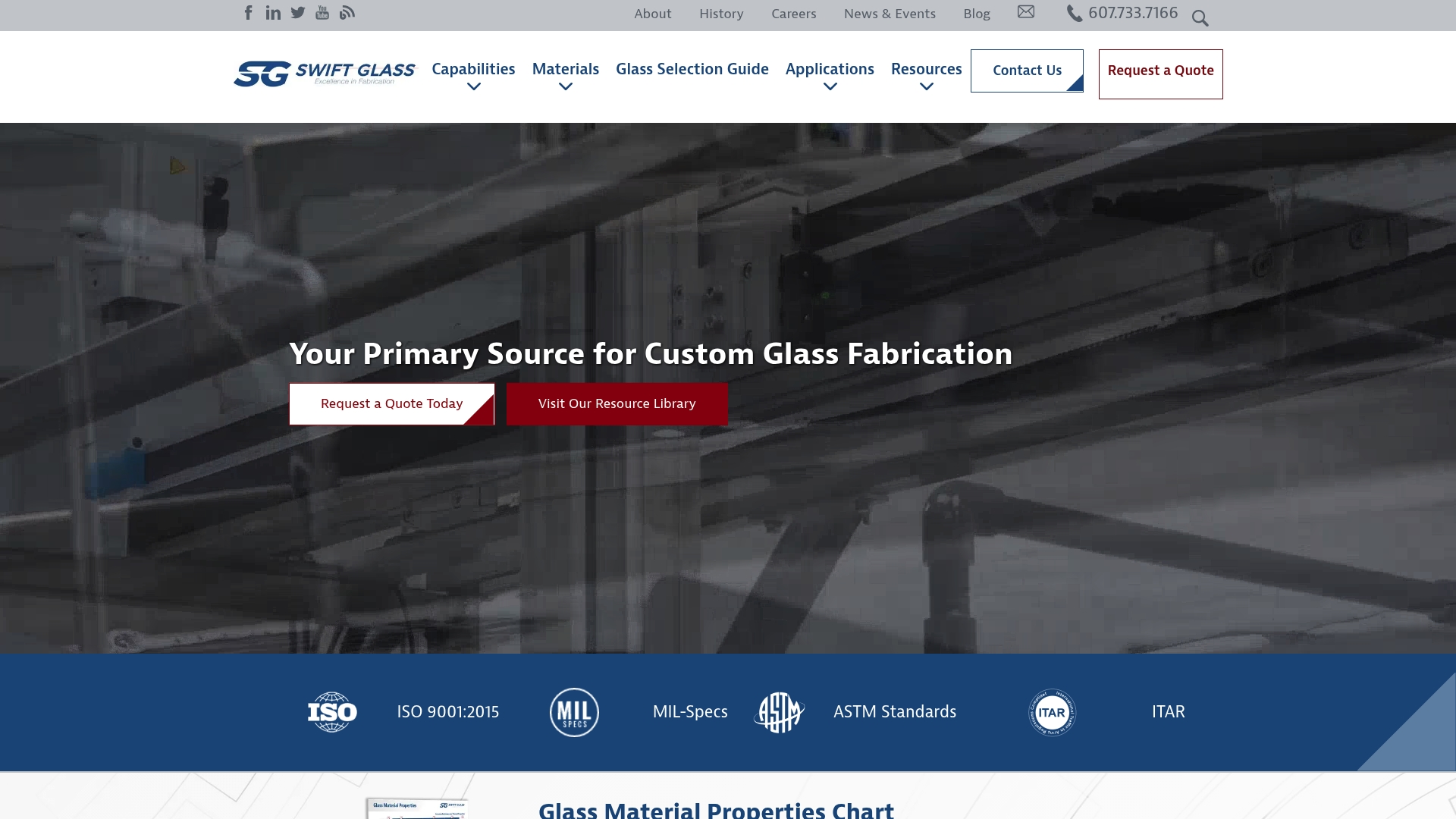
Swift Glass states it holds ITAR registration and ISO 9001:2015 certification while operating from Elmira, NY. The firm advertises in‑house wafer fabrication from borosilicate and quartz alongside CNC machining. Its material inventory includes branded options such as Gorilla® Glass for demanding optical and structural parts.
Core Features
Swift Glass combines precision glass fabrication services with finishing work, including CNC machining, waterjet cutting, tempering, chemical strengthening, and polishing. The company keeps an extensive inventory of fused silica, borosilicate, and branded specialty glass for optical and engineering use. A resource library provides technical guides and data sheets to support engineering teams specifying tolerances and process requirements.
Key Differentiator
The vendor markets its in‑house manufacturing expertise and strict adherence to international standards as the primary differentiator. That emphasis on certified processes and on site control suits projects that demand traceability and documented compliance. Compared with Precision Glasses, Swift Glass targets a narrower set of scientific and aerospace workflows rather than broad commercial volumes.
Pros
Swift Glass offers a clear compliance profile that helps procurement teams document quality. The combination of CNC, wafer fabrication, and chemical strengthening supports custom parts with tight tolerances and complex geometries. The broad material range, which includes fused silica and Gorilla® Glass, covers optical and high temperature applications. The technical library and data sheets reduce back and forth with design engineers and shorten specification cycles.
Cons
- Premium pricing may limit appeal for small runs or hobbyist projects. The cost reflects tight quality controls.
- Lead times depend on material choice and part complexity. Quick turn projects may be difficult to schedule.
- Limited public detail on bulk pricing or mass production discounts. Buyers must request bespoke quotes.
When It May Not Fit
If you need low cost prototypes in single quantities for non critical use, Swift Glass may be too expensive. If your priority is rapid, off the shelf clear glass with simple cuts, a commercial glass supplier may be quicker. Projects that require guaranteed same day turnaround are unlikely to match Swift Glass lead time practices.
Who It’s For
Organisations and research groups requiring high precision glass parts for aerospace, medical, microfluidics, or optical instruments. Design engineering teams that must document compliance and trace materials across supply chains. Buyers who accept bespoke quotes and longer lead times for certified parts.
Real World Use Case
A microelectronics firm ordered ultra thin borosilicate wafers for sensor packaging. Swift Glass handled CNC thinning, wafer fabrication, and final polishing to meet wafer flatness and surface finish specs. The finished parts integrated directly into cleanroom assembly with complete traceability paperwork.
Pricing
Pricing is bespoke and quoted per project based on scope, materials, and machining complexity. The company offers custom quotes for large or specialised orders and ships worldwide. Typical figures are not published; procurement teams must request a formal estimate.
Website: https://swiftglass.com
OSG
At a Glance
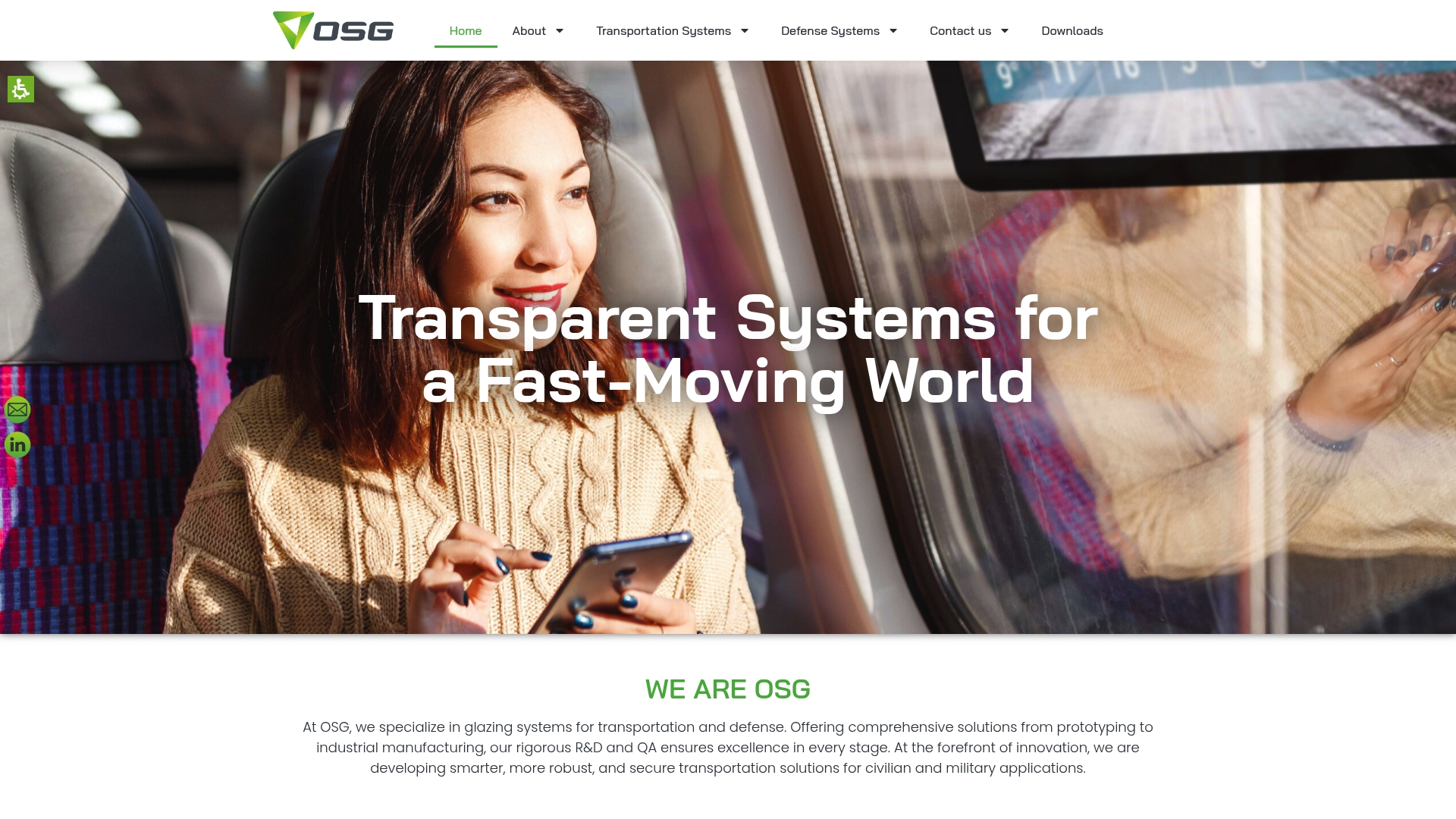
OSG produces glazing that combines ballistic protection with embedded digital displays branded as ScreeneX. The company reports over four decades of work in transportation and defence glazing. They offer lightweight, impact resistant glass that integrates heating and display functions for vehicles and vessels. This mix of armour and display tech suits high traffic transport and military platforms.
Core Features
OSG operates extensive in house R&D and testing facilities that feed directly into manufacturing. The firm designs custom engineered glazing for trains, trams, ships, and military vehicles while integrating ScreeneX display technology and heating. Production covers prototype development through to serial production, focusing on lightweight, impact resistant, and ballistic protection glass.
Key Differentiator
OSG combines long term R&D with rigorous in house testing and a proprietary display system to deliver bespoke glazing that meets demanding standards. The vendor emphasises tailored solutions for transport OEMs and defence contractors, producing assemblies that merge optical performance with functional electronics. That close loop from laboratory to factory gives it a narrower but clearer technical edge compared with generic glazing suppliers.
Pros
OSG brings deep sector experience and a clear record of supplying specialised transport and defence glazing. Its in house testing and quality assurance reduce the number of external vendors you must coordinate for qualification and certification. The company integrates display and heating functions directly into glazing, which simplifies installation and reduces subsystem weight for vehicle builders. Global subsidiaries provide local technical support and delivery channels for international projects.
Cons
Primarily focused on B2B and specialised markets, so the product line does not suit consumer or small scale architectural projects.
Pricing reflects high specification and bespoke engineering, which can place it out of range for low budget programmes.
Complex offerings require detailed consultation and project planning, which adds lead time before prototyping.
When It May Not Fit
If you need off the shelf glazing for standard buildings or retail applications, OSG is not appropriate. Projects with tight budgets or very short lead times will likely find the bespoke engineering model too costly or slow. Small workshops without systems for certifying ballistic or transport standards will struggle to integrate these assemblies.
Who It’s For
Transport OEMs, defence contractors, and government procurement teams that require high performance transparent armour and smart glazing are the primary clients. Buyers who value integrated display features, weight savings, and formal testing will see the most benefit. Those seeking commodity glazing should look elsewhere.
Real World Use Case
A tram manufacturer commissioned OSG to supply lightweight windows with embedded passenger information displays. OSG handled design, R&D, prototype testing, and serial production while meeting impact, UV, and thermal performance criteria. The final supply arrived as turnkey glazing units ready for line installation.
Pricing
OSG uses customised pricing based on project scope and standards compliance. There is no public price list. Expect premium pricing for high performance or ballistic projects because of bespoke engineering and testing costs.
Website: https://osg-group.com
Standard Bent Glass
At a Glance
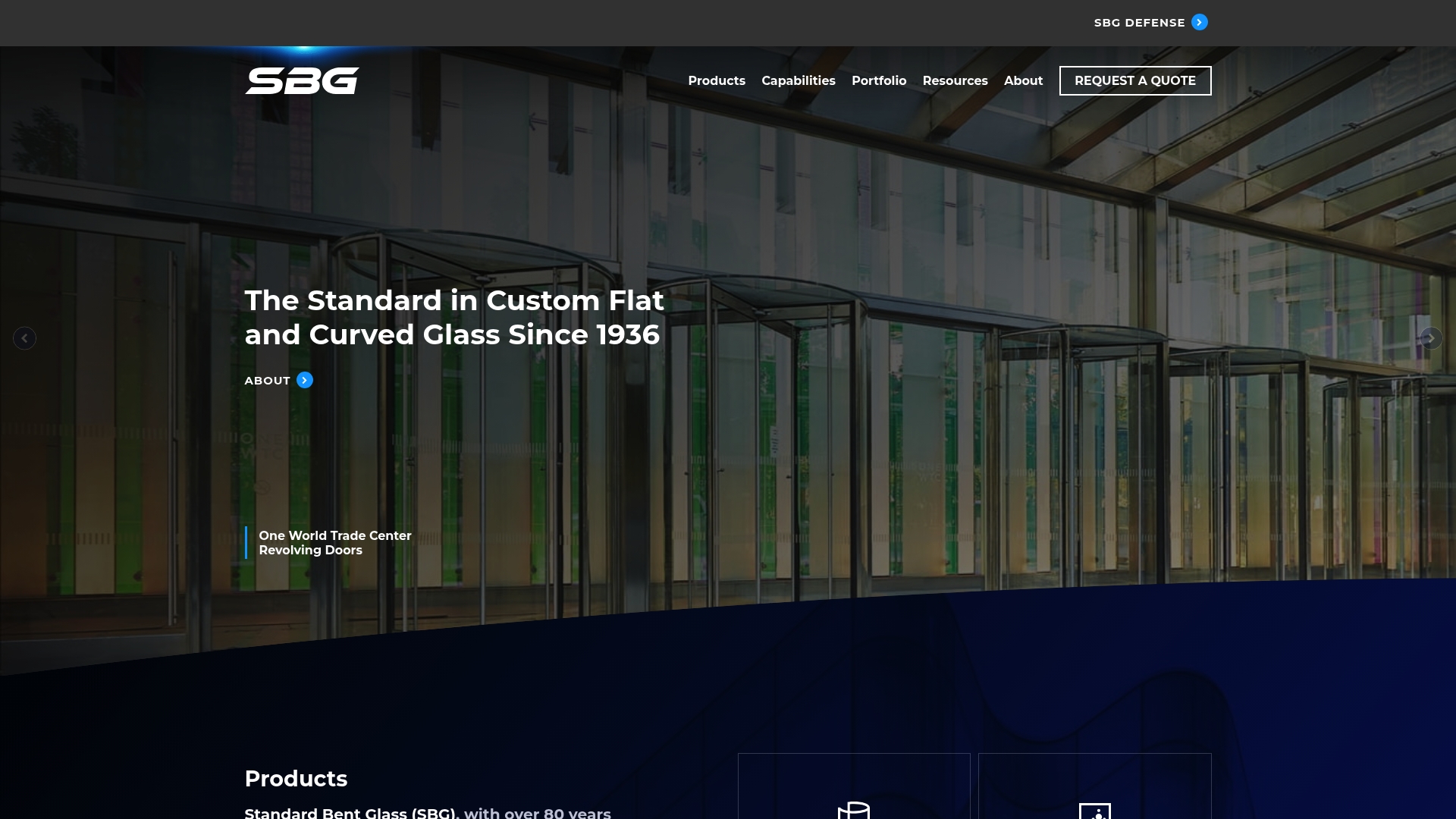
Established in 1936, Standard Bent Glass brings nearly a century of experience to the market as one of the stronger e-bentglass.com alternatives. The company manufactures curved, laminated, insulated, and decorative glass from its US facility in East Butler, Pennsylvania. Clients cite detailed templating and project coordination for complex architectural and transportation glazing.
Core Features
Standard Bent Glass combines custom bending with laminated and insulated glazing and a broad palette of material options, including low iron, tinted, and Low E glass. The factory offers digital direct to glass printing for decorative and functional patterns and supports specialty coatings. In house design support and precise templating accompany internal testing and certification for transportation and safety requirements.
Key Differentiator
The most distinctive trait is long term manufacturing pedigree paired with on site fabrication and finishing. Standard Bent Glass has evolved its workflow around physical glass shaping and direct printing, which suits projects requiring tight tolerances and certified safety performance. Compared with Precision Glasses, SBG focuses more narrowly on large commercial and transportation scale work with full production control.
Pros
Decades of practical experience translate into dependable execution for large architectural schemes. The combination of bending, lamination, and direct to glass printing lets design teams combine structural function with decorative imagery in a single component. In house testing and certification reduce coordination delays with certifying bodies and transport integrators. Being Made in the USA supports projects that prioritise domestic manufacture and traceable supply chains.
Cons
- Limited international shipping options. Smaller overseas projects will face higher logistics complexity.
- Premium pricing reflecting bespoke craftsmanship and advanced production methods. Budget constrained schemes may find costs prohibitive.
- Primarily geared toward large scale commercial and transport projects. Small domestic renovation work is not the primary market.
When It May Not Fit
Buyers seeking small volume retail glazing or modest domestic replacements will find the minimum scale and lead times misaligned with their needs. International architects who require local stocking and fast cross border delivery should expect higher logistics effort. Projects that need low cost off the shelf panels will not match SBG’s bespoke manufacturing model.
Who It’s For
Architects, contractors, and interior designers working on large commercial, institutional, or transportation projects will find SBG relevant. Procurement teams that require certified safety glazing and detailed templating benefit from SBG’s production control. Buyers who value domestic manufacture and advanced decorative printing will find its offering compelling.
Real World Use Case
A design build firm supplied detailed templates and high resolution artwork for a high end office lobby. Standard Bent Glass produced curved, digitally printed panels that matched on site dimensions and met safety certification for public areas. The single vendor handling printing, lamination, and certification simplified final installation and reduced on site adjustments.
Pricing
Pricing varies by scope, glass type, and fabrication complexity and is provided by quote. Project proposals account for materials, digital printing, lamination, and shipping, with delivery costs changing by project size and destination. Prospective buyers should request a formal estimate for accurate budgeting.
Website: https://standardbent.com
Sinclair Glass
At a Glance
The company reports over 80,000 square feet of manufacturing space in Hartford City, Indiana. Sinclair Glass combines heavy production capacity with tailored work for small batches. That mix lets it handle large architectural panels and one-off decorative pieces with the same tooling and floor space.
Core Features
Sinclair Glass runs advanced CNC water jet and water jet cutting machinery alongside tempering, laminating, and bending lines. The shop supports fused and coloured glass, patterned finishes, sandblasting, and custom holes while producing both flat and bent glass. Custom moulds and tooling allow the team to translate CAD files into finished parts for high volume and small volume runs with short turnarounds.
Key Differentiator
The defining capability is the combination of complex fabrication techniques and experienced hands that translate intricate designs into safety-rated parts. Sinclair Glass focuses on forms that require bending, fusing, and multi-stage tempering, so it suits projects where simple off-the-shelf panes will not meet shape, safety, or aesthetic requirements. That emphasis narrows its appeal to buyers needing unusual geometries and mixed decorative requirements.
Pros
The production floor supports a broad mix of finishes and glass types, from coloured fused panels to laminated safety units, which makes material choices flexible for architects and specifiers. The presence of modern CNC water jet equipment permits precise cuts and detailed cut-outs, aiding designers who require complex profiles. Longstanding customer relationships and repeated commercial work point to consistent delivery for both single commissions and larger production runs.
Cons
Limited public information on environmental practices or recycled glass use. This makes sustainability assessment difficult for green procurement teams.
No explicit statement about international shipping or export services. Buyers outside the United States will need to clarify logistics.
No fixed pricing published. Custom quotations vary by size, finish, and volume, which may slow early budgeting.
When It May Not Fit
If your procurement requires fixed, catalogue pricing for very large bulk buys, this vendor may not suit that workflow. Custom fabrication drives cost variability, and Sinclair Glass may quote project-specific pricing rather than blanket rates. Clients needing standard stocked sizes with rapid global fulfilment should look for a supplier with published price lists and established export channels.
Who It’s For
Architects, designers, contractors, and industrial clients who specify bespoke glass components will find Sinclair Glass relevant. The firm best fits projects that request complex shapes, decorative fusion, or tempered and laminated safety features. It serves commercial and public installations where aesthetic detail and tailored safety performance matter.
Real World Use Case
A contractor supplied detailed CAD drawings for a restaurant interior that required a large bent glass panel with intricate water jet insets and fused decorative layers. Sinclair Glass produced custom moulds, executed precise water jet profiles, fused layered decoration, and tempered the assembly for safety. The panel arrived on schedule and met the required safety and design checks for installation.
Pricing
Price varies with size, complexity, and production volume. Sinclair Glass provides project quotes on request rather than a published price list. Clients should allow time in the procurement schedule for sample approval and quotation rounds.
Website: https://sinclairglass.com
Bent Glass Design, Inc
At a Glance
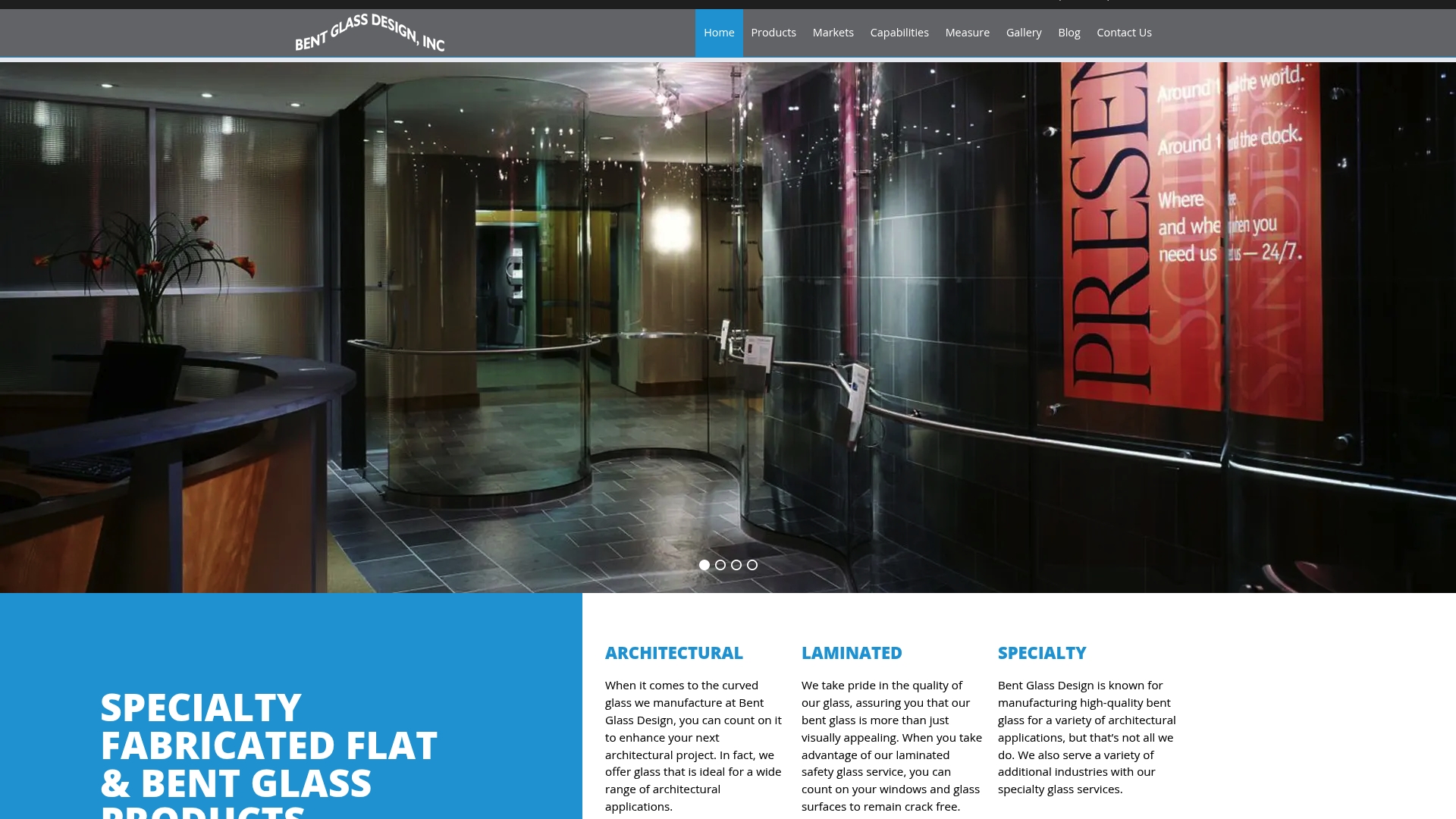
Established in 1988 in Hatboro, PA, the company specialises in bespoke curved and bent glass for architectural projects. It fabricates complex shapes for stair railings, skylights, partitions, and decorative fixtures. The business combines visual design options with safety-grade materials for high-profile builds.
Core Features
Bent Glass Design, Inc offers custom fabrication of curved and bent glass in nearly any shape or angle, and it supplies a full set of glass types including laminated safety glass and insulating glass. The workshop can add tints, patterns, and detailed edgework to match architectural intent. Design and consulting support guide specification and compliance with relevant safety standards.
Key Differentiator
Longstanding industry expertise sits alongside advanced fabrication capability, allowing the company to deliver complex, bespoke glass elements that many general suppliers cannot. The firm keeps tight control over shaping, lamination, and finishing processes, which reduces rework on site. That depth of in‑house craft suits projects where form must match strict performance criteria.
Pros
Decades of hands-on experience translate into precise shaping and consistent quality across curved panels. The team works directly with architects and contractors, which helps align glass manufacture with installation sequences and on-site tolerances. A wide materials list and finishing options let designers match aesthetics while meeting laminated safety and insulating requirements. Strong safety compliance and careful project documentation lower risk for regulatory sign-off and client approvals.
Cons
- Higher price point typical of custom specialty glass products, making it less competitive for budget-led projects.
- Longer lead times compared with standard flat glass suppliers, which can affect tight construction schedules.
- Limited mass production options due to the custom nature of fabrication.
- Primarily serves North American markets, which restricts direct supply for overseas projects.
When It May Not Fit
The vendor primarily serves the North American market, so international clients will face supply and logistics limits. Projects that demand rapid, off-the-shelf deliveries are a poor match. Large-volume manufacturers seeking mass production pricing will find the bespoke model unsuitable.
Who It’s For
Architects, interior designers, and contractors requiring tailored curved or bent glass for architectural features will find this offering relevant. Clients who prioritise aesthetics and compliance over price will benefit most. Teams that need close collaboration on drawings, tolerances, and installation sequencing will gain the most value.
Real World Use Case
A design firm specifying curved glass stair railings and skylights provides detailed shop drawings and site measurements. Bent Glass Design produces tinted, laminated panels with bevelled edges, then coordinates delivery to the installation team. The result preserves the design intent while meeting safety requirements and structural fit.
Pricing
Pricing is bespoke and depends on size, curvature, laminate build-up, and finishing. The company describes its work as premium-priced because of custom fabrication and specialist handling. Formal quotes are issued on request after review of project drawings and specifications.
Website: https://bentglassdesign.com
Comparison of Precision Glass Products
Selecting the most suitable precision glass provider depends on factors including their core features, production specialisation, and level of customisation offered.
| Product | Core Features | Key Differentiator | Best For | Pricing | Notable Limitation |
|---|---|---|---|---|---|
| Precision Glasses | ISO-certified in-house machining and logistics | Early-stage design review for optimisation | High-precision complex glass requirements | Price not published | Higher costs and lead times for bespoke projects |
| Swift Glass | Inventory of branded specialty glass | Certified processes with traceable compliance | Tight tolerance and certified glass needs | Price not published | Premium pricing and extended lead times |
| OSG | Ballistic and impact-resistant glazing | Integrated heating and digital displays | Transport and defence specialised glazing | Price not published | Unsuitable for architectural or retail glass projects |
| Standard Bent Glass | Curved, laminated, and decorative glass options | In-house direct-to-glass digital printing | Large-scale architectural glass projects | Price not published | Limited international shipping options |
| Sinclair Glass | Advanced CNC water jet and laminated glass | Unique decorative and safety glass fabrication | Decorative and safety-rated installations | Price not published | Inconsistent details on shipping or environmental practices |
| Bent Glass Design | Bespoke curved and laminated glass fabrication | Tailored design and finishing processes | Architectural and design custom glass needs | Price not published | Higher price point and longer lead times for custom fabrications |
Overcoming Challenges in Sourcing Bespoke E-Bent Glass Solutions
Selecting the right supplier for high-precision, customised glass poses a clear challenge, especially when sourcing alternatives to e-bentglass.com. Architects, contractors, and procurement teams value detailed templating, certified safety standards, and tailored manufacturing workflows that reduce costly rework and delays. Precision Glasses excels by integrating engineering expertise early in the design phase, helping to align material choice with exacting performance targets. This approach minimises iteration and supports the fabrication of complex optical and structural glass components.
Precision Glasses offers meticulous processes in melting, grinding, polishing, CNC work, and toughening, backed by ISO 9001 certification. Serving sectors like defence, aerospace, medical devices, automotive dashboards, lighting, and electronics, the company delivers high-quality glass components designed to strict functional and optical requirements. Learn how to avoid the delays and cost overruns common in bespoke glass projects by visiting Precision Glasses.
For engineers, product designers, and procurement specialists seeking detailed support and dependable delivery schedules, contact Precision Glasses today to discuss your project needs and receive a tailored quotation that fits complex specifications.
FAQ
What tight tolerances can I expect from Precision Glasses?
Precision Glasses provides high precision and repeatability through controlled manufacturing steps. Their processes maintain tight tolerances, ensuring parts meet demanding mechanical and optical specifications. Consider this capability for projects requiring consistent performance across complex geometries.
How does Swift Glass compare to Precision Glasses?
Swift Glass excels in offering a compliance profile that assists procurement teams in documenting quality. For projects needing high precision glass parts with strict documentation, Precision Glasses serves better with its tailored engineering support that helps in early design review and material optimisation.
Which materials are available from Precision Glasses?
Precision Glasses offers a range of material options including borosilicate, fused silica, aluminosilicate, and other specialty glasses. This diversity supports various applications in aerospace, medical, and industrial sectors, making it suitable for complex glass component needs.
Can I expect engineering support when using Precision Glasses?
Yes, Precision Glasses provides engineering support to aid in design review and material selection. This ensures that you can optimise your designs and align them with functional requirements from the start.
What is the pricing structure for Precision Glasses?
Pricing for Precision Glasses varies based on material, complexity, and volume, reflecting its position in the high-end engineering glass market. Tailored quotes are available on request, making it essential to inquire for specific project pricing.